Meadow Plain
 Meadow plains are open grassland ecosystems characterized by native grasses, wildflowers, and herbaceous plants. They occur across temperate regions of North America, Europe, Asia, and parts of South America, often forming where climate, soil conditions, or natural disturbances limit forest growth.
Although visually simple, meadows support extraordinary biological diversity. Pollinators such as bees, butterflies, and moths depend on flowering plants for food, while birds and mammals rely on grassland habitats for nesting and shelter.
Historically, grasslands covered vast portions of Earth's land surface. Today, many have been converted to agriculture, urban development, or intensive grazing systems. In North America, more than 70% of native prairie ecosystems have been lost.
Healthy meadow systems play a vital role in soil formation, carbon storage, groundwater recharge, and pollinator conservation. Seasonal changes continuously reshape these landscapes, producing dynamic habitats that evolve throughout the year.
Grasslands remain among the most endangered ecosystems globally despite their importance to biodiversity and food systems.
Featured collection
-
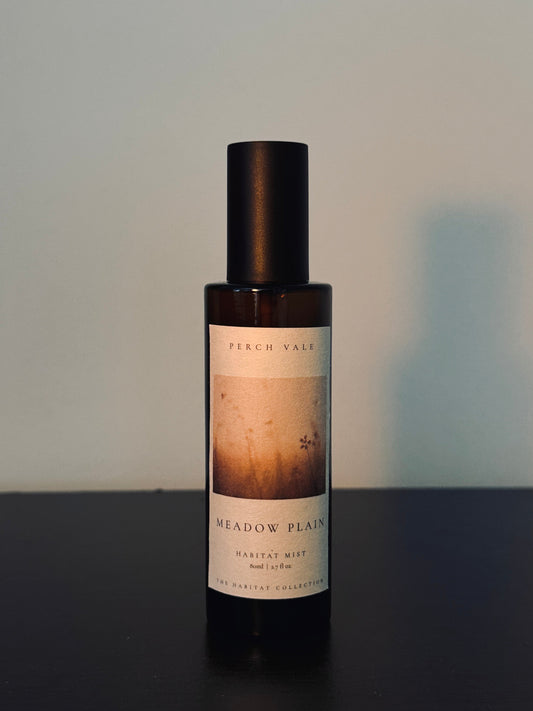
Habitat Mist · Meadow Plain
Vendor:Perch ValeRegular price $26.00 CADRegular price -
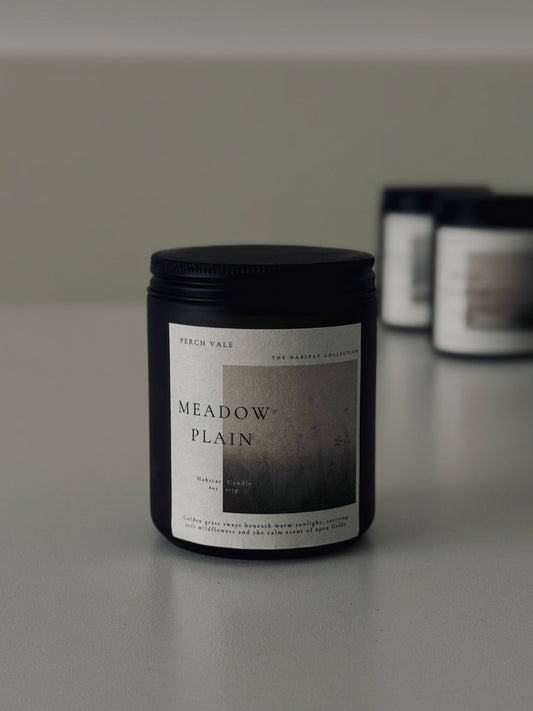
Habitat Candle · Meadow Plain
Vendor:Perch ValeRegular price $36.00 CADRegular price -
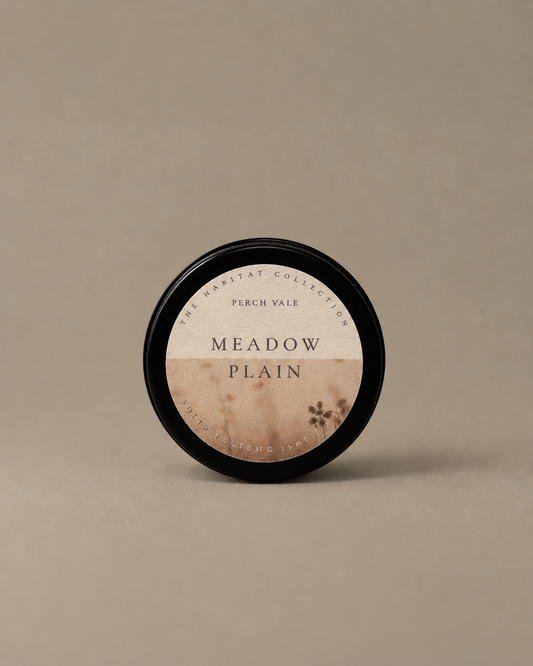
Habitat Solid Perfume · Meadow Plain
Vendor:Perch ValeRegular price $20.00 CADRegular price